A Reader's Guide for Ishmael
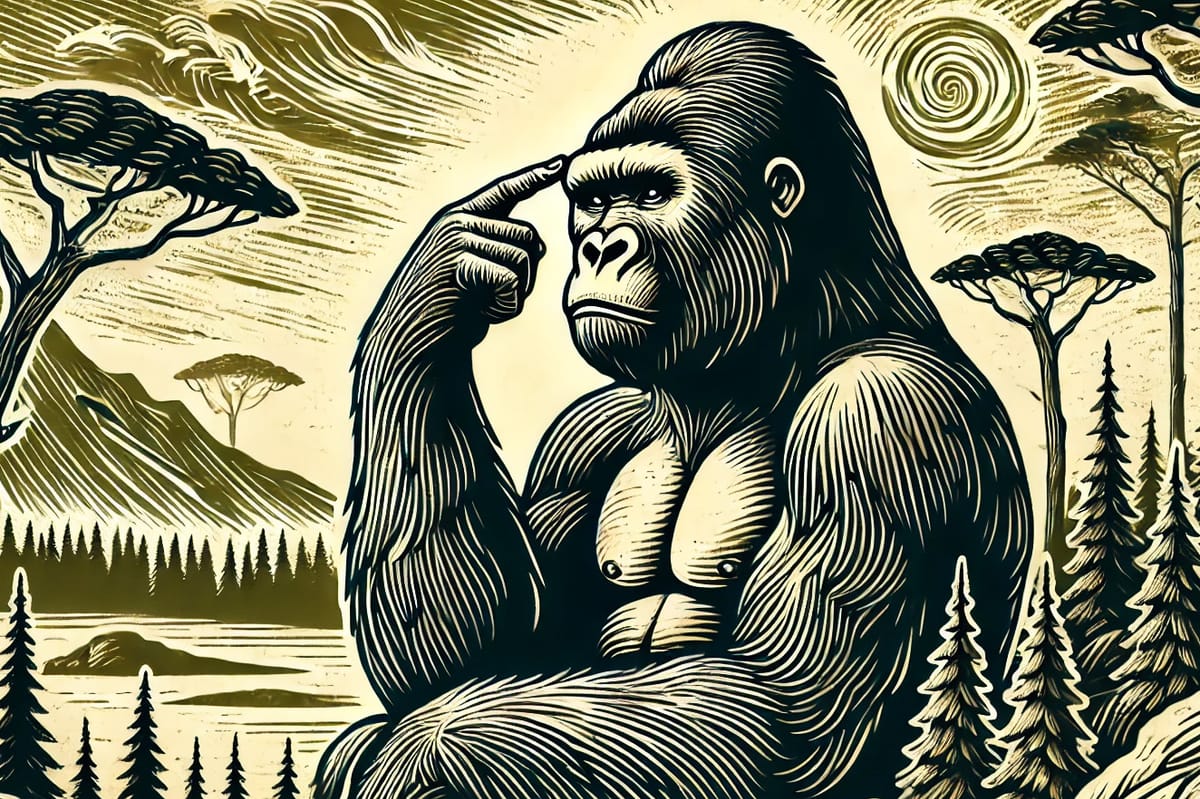
The Wild Gentleman Book Club
Key Themes for Discussion
- The Stories We Live By - Quinn (via Ishmael) divides humanity into two groups:
- Leavers: Those who live sustainably, taking only what they need. The closest parallel in our age is various indigenous peoples
- Takers: Agrarian civilizations (including ours) that believe they're exempt from natural law and entitled to unlimited growth
- The Taker story holds that humans are separate from and superior to nature, meant to rule the world, and that progress means conquering the earth.
- Teacher and Student - The relationship between Ishmael and his student mirrors the mentor relationships many of us seek (or try to provide). Ishmael doesn't give answers—he asks questions that lead the student to discover truths himself.
- Civilization and Its Discontents - Anxiety, depression, and the lack of meaning are widespread in modern society. Do these issues stem from having the wrong story/mythology about human purpose?
- Masculinity and Legacy - Men have historically defined themselves through conquest, dominance, and legacy-building. Quinn challenges whether that drive is itself the problem — and what a different model of masculine purpose might look like. Are men pushing for power and control without considering the consequences, leading us toward environmental collapse?
- Community Upended - Quinn argues that Leaver cultures are held together by tribal bonds that Taker cultures have largely destroyed. Can we still create that sense of tribe in our own lives?
Reading Questions
1. What was your biggest "aha" moment while reading?
- What made you most uncomfortable?
- Is Quinn right that we're living a fundamentally destructive cultural story? Or is this oversimplified?
- What would it actually mean to "change the Taker/Leaver story" in practical terms?
- How has the achievement/conquest narrative shaped your career and life choices?
- What would masculine virtue look like in a "Leaver" framework?
- Is Ishmael an effective teacher? Why does he use Socratic dialogue rather than direct instruction?
- What are Quinn's weakest points? And does he actually offer practical solutions, or just a philosophical critique of modern culture and society?
- How do Quinn's ideas about civilization and society connect to our discussions about being a man who shows up with authenticity?
Ishmael - A Reader’s Guide